
Agri-processing Sector
sector vision
Agri-processing sector market is projected to grow to $21 billion by 2030, and agriculture more broadly represents 22% of GDP. The government has rolled out its 24-hour economy policy, which focuses on integrating agriculture into agri-processing and ensuring the flow of raw materials into value addition and value extension. This presents a significant investment opportunity to take advantage of the extensive agriculture sector by expanding into value addition and value extension. Ghana also has preferential access to the US and UK markets through AGOA, and growing sophistication in meeting higher certification standards, such as organic produce and Good Agricultural Practice.
Significant products within the sector include cocoa, cashew, palm oil, shea butter, fruit juices, starches, poultry and meat products.
With significant raw material resources for export products like cocoa, shea, mangos, oil palm, coconut and soya bean, as well as domestic and industrial consumption for cassava, maize and other products, Ghana represents a strong investment opportunity. The agriculture sector is projected to grow at a compound annual growth rate of 7.1 percent, reaching USD 21.3 billion by 2030.
Ghana’s agri-processing sector is at a pivotal moment, shaped by domestic reforms and global market dynamics. Locally, the sector is expanding steadily, supported by abundant raw materials, a youthful workforce, and targeted government initiatives such as the Feed Ghana Agenda, Grow24, and Connect24. These programs aim to boost productivity, improve logistics, and integrate digital systems across value chains. Key commodities like cocoa, cassava, shea, and mangoes are increasingly being processed domestically, with growing investment in agro-industrial parks and special economic zones.
Globally, demand for sustainably sourced, traceable, and value-added agricultural products is rising—driven by shifting consumer preferences and ESG-focused investment. Ghana is aligning with its climate legislation, special economic zones, and access to international markets in the US, Europe and West Africa.
Globally, rising demand for processed agrifoods and packaged foods are driving increased production and a need for efficiency. At the same time, sustainability is at the forefront, with agribusinesses adopting precision agriculture, biological inputs, and integrated pest management to reduce environmental impact. These shifts are creating new opportunities for FDI, particularly in regions with untapped agricultural potential and supportive policy environments. Ghana, for example, is positioning itself as a competitive destination by combining traditional investment incentives—such as tax holidays and import duty exemptions—with forward-looking climate finance tools.
Agri-processing in West Africa is undergoing a transformation driven by rising intra-regional trade, which now exceeds $10 billion annually and is fuelling demand for localized value addition. Countries like Ghana, Nigeria, and Côte d’Ivoire are investing in agro-industrial parks and special economic zones to attract private investment into key value chains such as cassava, cocoa, rice, and shea. Financing innovations are also gaining traction, with Ghana’s GIRSAL (Ghana Incentive-Based Risk Sharing System for Agricultural Lending) playing a pivotal role in de-risking agribusiness lending and unlocking commercial capital for processors. In parallel, climate finance is emerging as a strategic enabler of sustainable agri-processing. Ghana leads the region with its Environmental Protection Act 2025 (Act 1124), which established a Carbon Markets Office and a national Carbon Registry to support the generation, validation, and trading of carbon credits. These developments, supported by regional policy alignment and donor-backed capacity building, are creating a more competitive, efficient and climate-resilient agri-processing landscape across West Africa.
Why Ghana
- Fertile land. Year-round growing seasons and diverse agri-ecological zones support a wide range of crops, including cocoa, maize, cassava, oil palm, coconut, mangoes, and shea.
- There is strong global demand for organic and ethically sourced products (e.g., cocoa, shea butter).
- An expanding middle class and urbanization are driving demand for processed and packaged foods.
- Ghana has access to over 400 million consumers through ECOWAS and the African Continental Free Trade Area (AfCFTA).
- Tax Holidays: Up to 10 years of corporate tax exemption for agri-processing firms in regional and rural areas.
- Import Duty Exemptions on agricultural machinery, equipment, and raw materials.
- Investment Guarantees: Repatriation of profits and protection under the GIPC Act.
- The government’s Feed Ghana and Grow24 agendas support agri-manufacturing, logistics, and value chain development to boost efficiency and productivity.
- GIRSAL: Offers credit guarantees and technical support to de-risk lending to agribusinesses and encourage commercial bank participation.
- The governments Connect24 agenda is supporting expansion of logistics and access to raw materials for agri-processors, including special economic zones and expanded freight transport on Lake Volta.
- Ghana enjoys strong and preferred access to the US, UK and European markets
- Large pool of trainable labour, with growing technical and vocational education in agri-processing.
- National efforts to build capacity in food safety, quality control, and value addition.
Opportunities for Investment
High-Potential Value Chains
Ghana’s agri-processing sector is rich with opportunity, anchored by a diverse portfolio of high-demand products, such as cocoa, cashew, shea butter, and fruit juices. These and other commodities are staples in the domestic market and enjoy strong demand across West Africa and international markets, particularly Europe, North America, and Asia. Cocoa and cashew, for instance, are ripe for deeper value addition. Ghana is a global leader in raw cocoa exports, but only processes a fraction locally into liquor, butter, or chocolate. Investment in modern processing facilities, branding, and export certification can unlock higher margins and global market access. Similarly, cashew processing remains underdeveloped, with most nuts exported raw. Establishing shelling, roasting, and packaging facilities near production zones can reduce post-harvest waste and increase local value capture.
Product Diversification and Value Extension
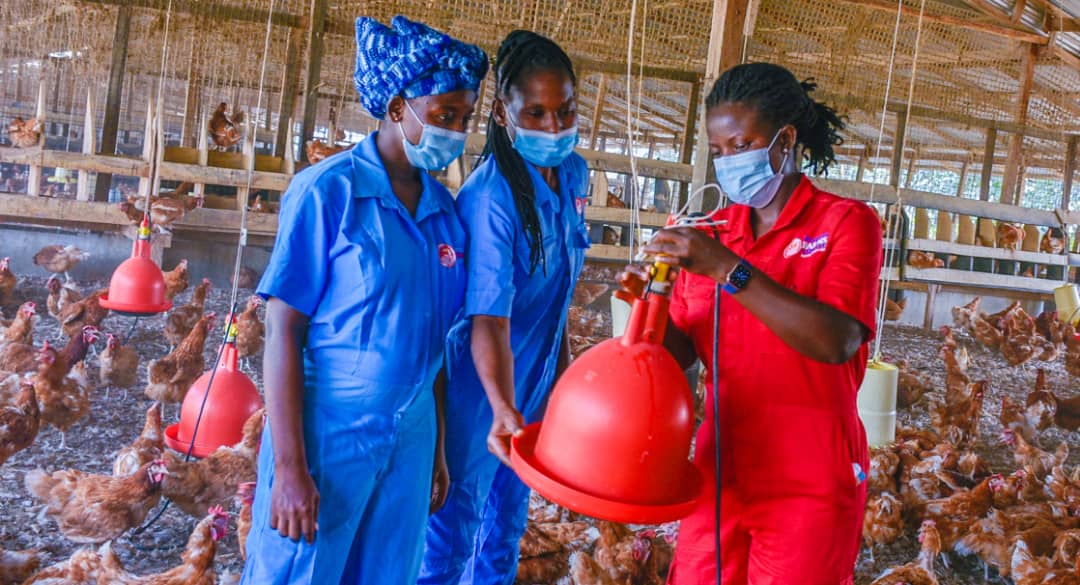
here is growing demand for innovative, value-added products tailored to both domestic and regional markets, including: 1) Ready-to-drink fruit beverages using mango, pineapple, and citrus. Fortified cassava and maize snacks targeting school feeding programs and urban consumers. 2) Premium chocolate products for export and tourism markets. 3) Processed frozen poultry cuts and marinated products to meet rising demand for safe, high-quality protein.
Infrastructure and Supply Chain Development
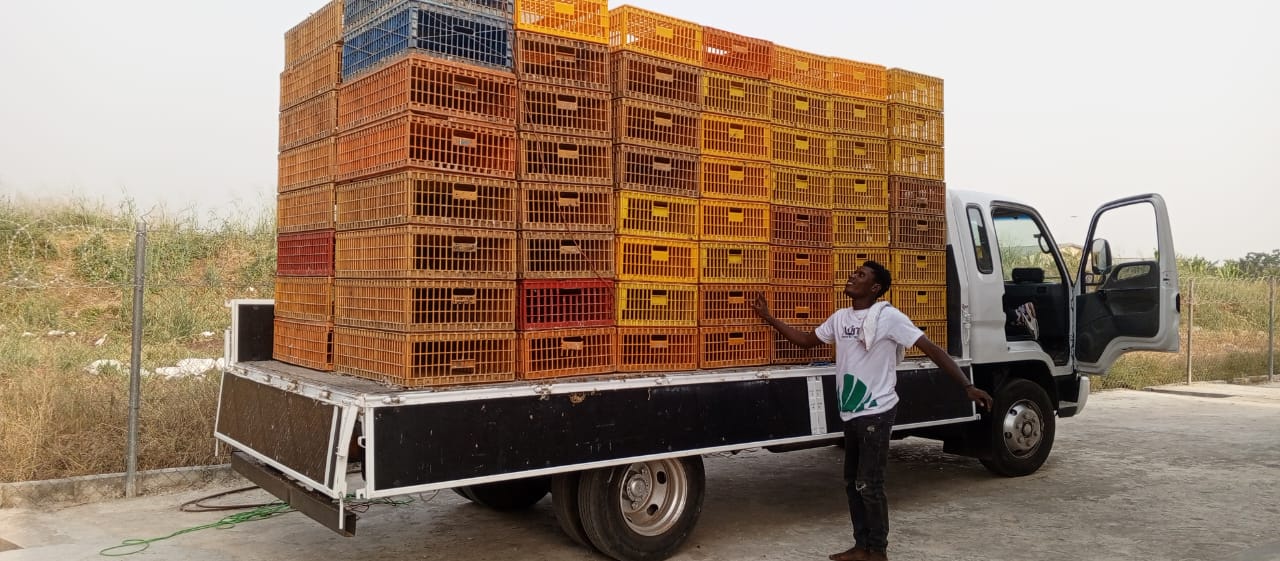
Fragmented supply chains are a critical barrier to scaling agri-processing in Ghana. Investment in cold storage, refrigerated transport, and digital traceability systems can reduce post-harvest losses—estimated at 20–50% for some crops—and ensure consistent raw material supply for processors. For example, investment in shea aggregation and processing can enhance both social impact and product quality.
Modernization and Mechanization
Across all value chains, improvements in modern processing equipment, automation, and compliance with international food safety standards can unlock value. Many small and medium processors operate with outdated or semi-manual systems, limiting efficiency and export readiness. Investment in GMP-compliant facilities, Good Agricultural Practice, and energy-efficient technologies can significantly improve competitiveness. For instance, upgrading from manual to semi-automated shea nut crushers and oil extractors can triple output while improving consistency and hygiene. These upgrades also open doors to organic and fair-trade certification increasingly demanded by global buyers.
Government Measures
The Government of Ghana has outlined a bold and comprehensive agenda to transform the agri-processing sector, positioning it as a key driver of economic growth, job creation, and food security. Central to this vision are several flagship initiatives designed to modernize agriculture, strengthen value chains, and foster a competitive agri-business environment.
Together, these agenda items reflect Ghana’s commitment to building a resilient, innovative, and inclusive agri-processing sector that can compete on both regional and global stages, while delivering tangible benefits to farmers, entrepreneurs, and consumers across the country.
This agenda focuses on accelerating agricultural productivity and modernization through the adoption of advanced technologies, digital agriculture, and climate-smart practices to ensure year-round production and sustainable growth.
This initiative aims to enhance connectivity across the agri-processing value chain by improving rural infrastructure, transportation, digital platforms, and logistics systems, ensuring that farmers, processors, and markets are seamlessly linked for greater efficiency and inclusivity.
This initiative aims to boost local food production and processing, reduce imports, and enhance food security by supporting farmers, improving supply chains, and promoting value addition to staple crops and livestock products.

Sector Summary
Agri-processing is a growth sector in Ghana, featuring a broad economic base, significant existing capacity and scale, and strong government support. At the same time, there are substantial investment opportunities in modernization, such as cold chain facilities, logistics, agriculture technology, and high quality and volume processing. JET is ready to support the government of Ghana to transform Ghana’s agricultural sector and create new jobs.