UK and Ghana launch Growth Partnership to create jobs, strengthen infrastructure and support skills

From: British High Commission Accra | 1 June 2026

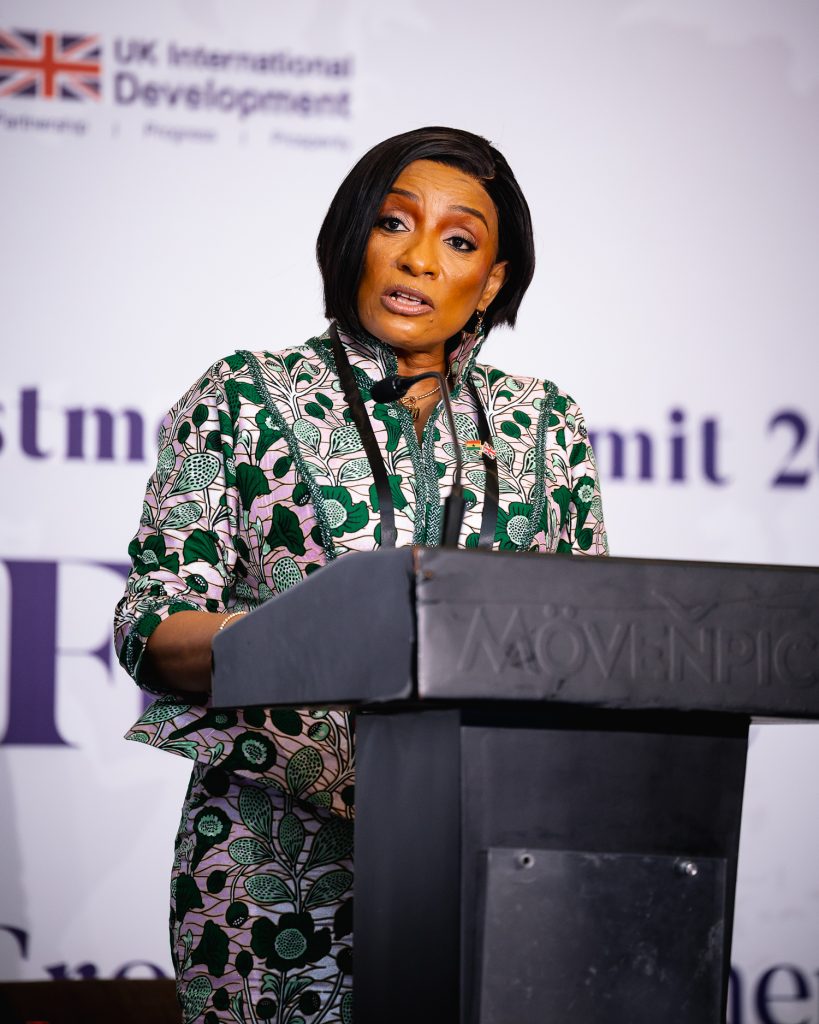
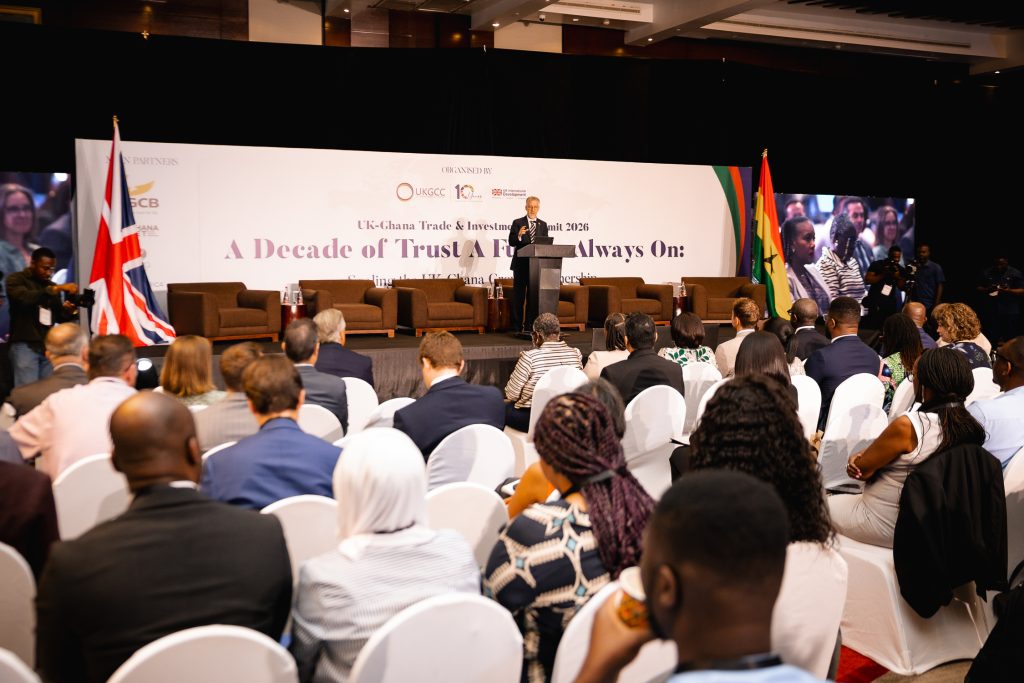
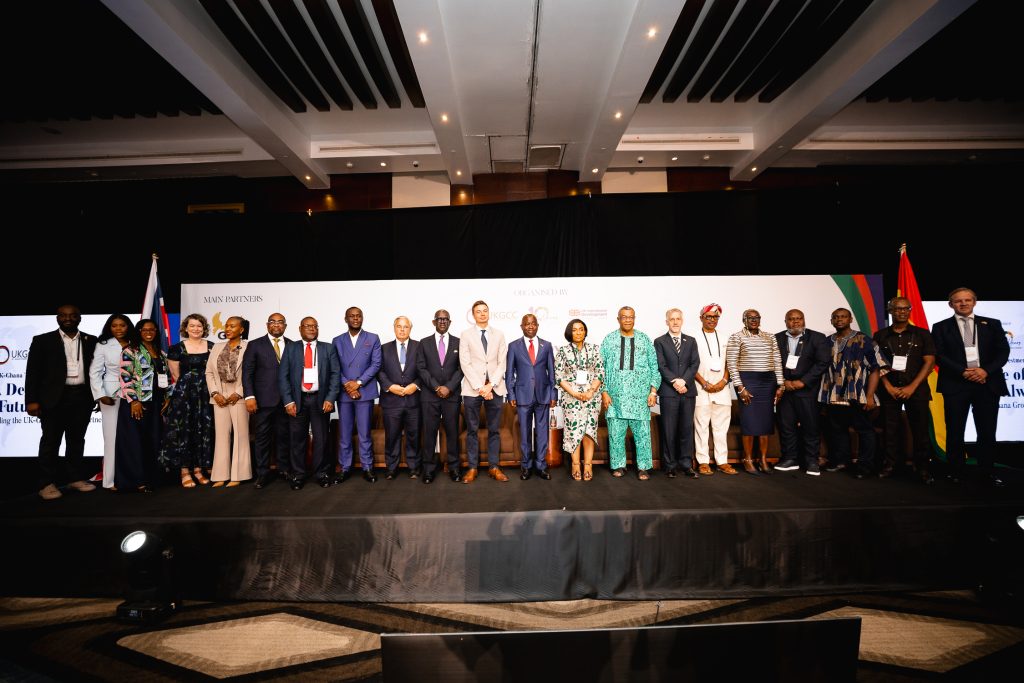
The UK and Ghana have signed a new Growth Partnership aimed at delivering tangible benefits for people  and businesses in Ghana, including more jobs, stronger infrastructure and better access to skills and  education. The Partnership will build on the up to £215 millions of deals signed as part of the Ghana  Investment Summit in London. 

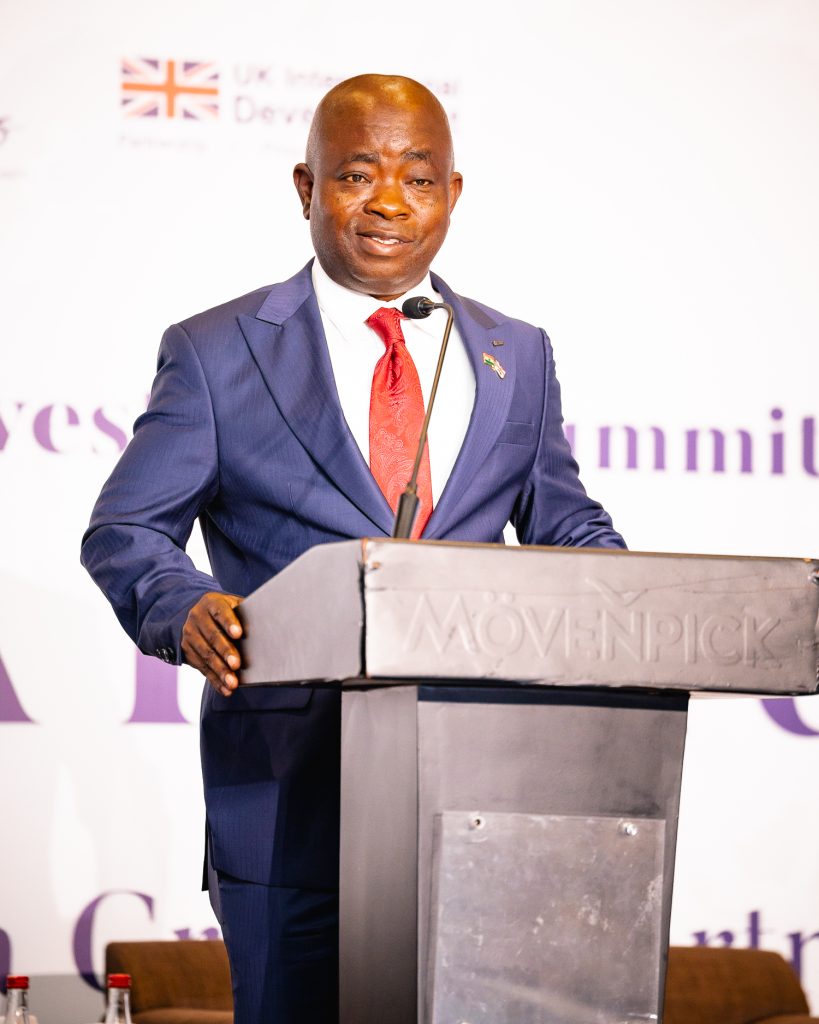
Signed today during President John Dramani Mahama’s official visit to the United Kingdom, the Partnership  sets out how the two countries will work together from 2026 to 2028 to support privatesectorled growth,  boost trade and unlock new investment. 

The Partnership focuses on four priority areas: attracting private investment and finance; making it easier for  Ghanaian businesses to trade; supporting infrastructure and industrial growth; and expanding skills and  education partnerships. 

It is backed by a series of practical initiatives designed to deliver real results, including: 

  • New jobs and a stronger maritime sector: a £101million ($137m) UK-supported project, to develop  the first commercial-scale ship repair and dry-docking facility in the Gulf of Guinea. The Takoradi  Floating Dock Project (ShipRite) is backed by a consortium of investors including UK co-owned  Private Infrastructure Development Group (PIDG) and delivered in partnership with the Ghana Ports  and Harbours Authority (GPHA). It is expected to create up to 430 direct jobs, with around 30% taken  up by women; while positioning Ghana as a regional maritime hub and reducing emissions by overall  travel distances. The project also pioneers the involvement of local pension funds in infrastructure  finance in the region. 
  • Climatealigned infrastructure: a £5 million UK-supported (ODA) Green Project Preparation  Facility, hosted by Financial Sector Deepening Africa (FSD Africa) and in partnership with the Ghana  Infrastructure Investment Fund, designed to help transform viable ideas from private and public sector  developers into investable climate-focused infrastructure projects, with the potential to unlock up to  £180 million in deals over three years, supporting opportunities for UK firms, supporting the  Government of Ghana’s priority infrastructure agenda. 
  • Mobilising global capital for Ghana’s green economy: Mere Plantations has announced plans to  scale up plantation and reforestation activities in Ghana, including the use of new technologies such  as biochar to enhance environmental impact and sustainability. As a major milestone, the company  will launch a £85 million reforestation investment fund listed in the UK, the first Article 9 “dark green”  fund on the London Stock Exchange’s new Private Markets platform. Backed by the Ghana Forestry  Commission, the fund will channel international capital into highintegrity reforestation and carbon projects in Ghana, supporting jobs, restoring degraded land and positioning Ghana as a leading  destination for naturebased investment. 
  • New partnership to help implement the Ghana AI Strategy, as part of a wider set of new Science  and Technology collaboration, backed by £6 million UK funding. During the Investment  Summit, Minister for Communications, Digital Transformation and Innovation will discuss how  UK expertise can help Ghanaian institutions unlock the benefits of AI. Ten new Physics Partnerships  have been funded in partnership with UK Research and Innovation driving collaboration across  universities.  
  • Restoring forests and livelihoods: Rainforest Builder to inject £9 million in new investment in forest  restoration in the Oti Region, supporting environmental protection and local jobs. 
  • Skills and education opportunities: the publication of Transnational Education guidelines, opening  new partnerships between UK and Ghanaian institutions and supporting access to higherquality  education and training. 
  • Stronger healthcare skills: a £4 million, fiveyear partnership between a UK training provider and  Ghanabased Mangel Klicks to deliver specialist clinical engineering training, strengthening  healthcare systems in Ghana and supporting skills development across the wider region. 

The Partnership is signed as the UK and Ghana mark five years of the UK–Ghana Trade Partnership  Agreement. Since the Agreement entered into force, bilateral trade has grown to around £1.6 billion — an  increase of 12.5% since 2024. It also builds on the strong investment pipeline established by British  International Investment (BII) whose development finance investment into Ghana stands at approximately  £140m, including Maa Grace, a UK-Ghanaian export-focused garments business backed through Growth  Investment Partners (GIP) Ghana. 

H.E Dr Christian Rogg, British High Commissioner to Ghana, said: 

“This Growth Partnership is about real change people can see and feel. It means more skilled jobs, stronger  ports and transport links, better access to finance, and new opportunities for young people and women across  Ghana. 

By working with Ghanaian partners and backing private investment, we are supporting growth that is  sustainable, inclusive and led by Ghana’s own priorities.” 

Together, these initiatives demonstrate a strengthened UK–Ghana Growth Partnership that is: 

  • Mobilising investment at scale 
  • Expanding and diversifying trade 
  • Supporting infrastructure for industrial transformation 

This partnership underscores the UK’s commitment as a long-term partner in Ghana’s economic  transformation, while unlocking new commercial opportunities across priority sectors.

Advancing the UK–Ghana Growth Partnership: Lessons from Cambridge Biomedical Campus for LePIP

On Friday, 29 May 2026, a delegation from FCDO Ghana, DBT Ghana, the 24-Hour Economy
Authority (24HEA) and Palladium visited the Cambridge Biomedical Campus (CBC) to learn
from what is widely recognised as Europe’s largest centre for biomedical research and
healthcare. CBC supports over 23,000 jobs on site, with thousands more across the wider
supply chain, and is home to globally recognised institutions and companies including
AstraZeneca, Abcam and the Jeffrey Cheah Biomedical Centre (JCBC).

The primary objective of the visit was to draw practical insights to inform the design and
operationalisation of the proposed Legon Pharmaceutical Industrial Park (LePIP) – a flagship
initiative of the 24HEA, supported by the UK-funded Jobs and Economic Transformation (JET)
Programme.

One of the most striking lessons from CBC is the power of strategic partnership between
government, academia, healthcare institutions and industry. This model has helped attract major
investment, accelerate innovation, strengthen manufacturing and research ecosystems, and
generate significant economic value. Recent analysis shows CBC contributes £4.7 billion
annually to the UK economy, while current and planned expansion continues to attract around
£3 billion of private capital.
It was also impressive to see the scale of private sector confidence in the ecosystem.
AstraZeneca’s Discovery Centre, located on the campus, represents an investment of around
£1 billion and serves as the company’s global R&D hub in Cambridge.
Encouragingly, the visit also highlighted the wider strength of UK–Ghana research and
innovation ties. The UK Government has noted that there are about 300 active research
partnerships between the UK and Ghana, underlining the depth of collaboration already in place
and the potential to go further in areas such as pharmaceuticals, health innovation and
advanced manufacturing.

As Ghana steadily advances the vision for LePIP, the CBC experience reinforces how a well-
designed ecosystem can unlock investment, deepen value chains, create jobs and support long-
term economic transformation in Ghana’s pharmaceutical and life sciences sector. At the same
time, there is clear value for the UK: partnerships of this kind can strengthen bilateral trade and

investment links, create opportunities for UK firms and research institutions, and reinforce the
UK’s position as a global life sciences and innovation hub.

Our sincere thanks to our hosts at Cambridge Biomedical Campus (Simon, Megan and Corrina)
for their generous hospitality, valuable time and openness in sharing their experience and
resources. The lessons from the visit will be invaluable as Ghana works to build a globally
competitive pharmaceutical and life sciences ecosystem.

𝐑𝐞𝐬𝐭𝐨𝐫𝐢𝐧𝐠 𝐈𝐧𝐯𝐞𝐬𝐭𝐨𝐫 𝐂𝐨𝐧𝐟𝐢𝐝𝐞𝐧𝐜𝐞: 𝐓𝐡𝐞 𝐆𝐡𝐚𝐧𝐚-𝐔𝐊 𝐈𝐧𝐯𝐞𝐬𝐭𝐦𝐞𝐧𝐭 𝐒𝐮𝐦𝐦𝐢𝐭

Ghana–UK relations are entering an exciting new chapter, one defined by renewed confidence, shared ambition, and forward-looking partnerships.

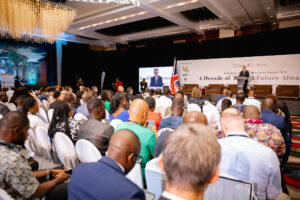
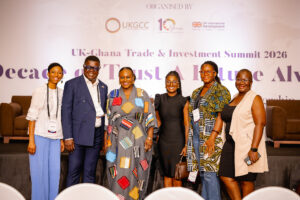
From 1–2 June 2026, 𝐭𝐡𝐞 𝐆𝐡𝐚𝐧𝐚-𝐔𝐊 𝐈𝐧𝐯𝐞𝐬𝐭𝐦𝐞𝐧𝐭 𝐒𝐮𝐦𝐦𝐢𝐭, hosted by the Ghana High Commission – UK in the UK, at the historic Raffles London, will convene UK-based investors, government leaders, and industry pioneers under a bold theme: “Restoring Investor Confidence to Unlock Opportunities and Shared Prosperity.”

This landmark forum comes at a pivotal moment. As Ghana deepens its macroeconomic gains, the #UK and #Ghana are entering a growth partnership: a time-bound, trade- and investment-led initiative designed to translate stability into sustained economic growth, jobs, and inclusive prosperity. British High Commission Accra, through its flagship Ghana JET programme, is a partner in the Investment Summit, demonstrating the UK government’s commitment to strengthening UK–Ghana trade and investment relations, with the High Commissioner, 𝐇.𝐄. 𝐂𝐡𝐫𝐢𝐬𝐭𝐢𝐚𝐧 𝐑𝐨𝐠𝐠 expected to deliver a statement reinforcing this shared ambition to deepen bilateral ties and unlock long-term opportunities.

The Summit seeks to unlock transformational investment opportunities across six high-growth sectors: Agribusiness, Trade and Infrastructure Financing, Real Estate, Fintech & Digital Asset, Energy & Green Transition, Critical minerals, Carbon Markets, Forestry and Green Investment and well Technology & Innovation (Business Processing Outsourcing).

For UK investors, the message is clear: 𝐆𝐡𝐚𝐧𝐚 𝐢𝐬 𝐨𝐩𝐞𝐧 𝐟𝐨𝐫 𝐛𝐮𝐬𝐢𝐧𝐞𝐬𝐬, and the UK is standing alongside it as a trusted partner in growth.

✨ Interested in being part of the Investment Summit?
👉 Learn more: www.ghukis.co.uk
🎟️ Tickets are available via Eventbrite: https://lnkd.in/eRJ82kDW

UK–Ghana Deal Room: Unlocking £20B+ Investment Opportunities

Are you an investor or strategic partner looking for high-impact opportunities in Africa? 

Join the UK–Ghana Deal Room, a transaction-focused side event at the Ghana–UK Investment Summit organised by the Ghana High Commission in UK. The Deal Room is designed to take you from interest to deal in a single day. 

Part of a broader effort to deepen UK–Ghana ties, this platform unlocks mutual opportunities that drive investment, create jobs, and deliver socio-economic impact. 

Explore:  

 12 government-backed, large-scale projects 

 High-potential private sector opportunities 

 Direct access to project sponsors and decision-makers 

From infrastructure and clean energy to agribusiness and industrial parks, this is where partnerships begin. 

📅 Date: 1 – 2 June 2026 

📍 Venue: Raffles London at the OWO, 57 Whitehall, London SW1A 2BX 

👉 CLICK TO REGISTER  

𝐖𝐡𝐲 𝐆𝐡𝐚𝐧𝐚’𝐬 𝐅𝐮𝐭𝐮𝐫𝐞 𝐃𝐞𝐩𝐞𝐧𝐝𝐬 𝐨𝐧 𝐚 𝐒𝐭𝐫𝐨𝐧𝐠 𝐒𝐞𝐞𝐝 𝐃𝐞𝐥𝐢𝐯𝐞𝐫𝐲 𝐒𝐲𝐬𝐭𝐞𝐦

Ghana’s recent National Seed System Reset Convening at the West Africa Centre for Crop Improvement (WACCI) confirmed a simple truth: without strong seed systems, there can be no sustainable transformation of Ghana’s agriculture or food economy. Just as roads link producers to markets and energy powers industry, seed delivery systems connect agricultural science to farmers and ultimately determine our food security.

Yet fewer than 10 percent of Ghanaian farmers routinely use certified improved seed, despite decades of reforms, public investment and private sector participation. A new diagnostic presented to stakeholders highlighted weak early‑generation seed pipelines, under‑capitalised seed enterprises, low farmer confidence in seed quality, limited certification and enforcement capacity, and weak links between seed, markets and public procurement.

A national seed system reset at WACCI
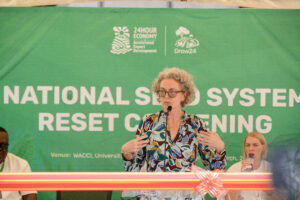
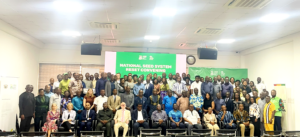
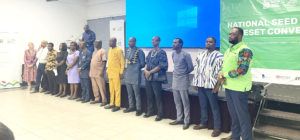
On 16–17 March 2026, around 120 leaders from government, research institutions, the private sector, farmer organisations and development partners met at WACCI for a two‑day National Seed System Reset under the theme “Building Ghana’s Seed Delivery System – A National Policy and Execution Convening.” Hosted by WACCI and co‑convened by the 24H+ Secretariat, the Ministry of Food and Agriculture, the National Seed Trade Association of Ghana and other national institutions, with support from the UK‑funded Ghana JET programme and the Embassy of the Kingdom of the Netherlands, the meeting was designed as an execution platform rather than another general policy dialogue.

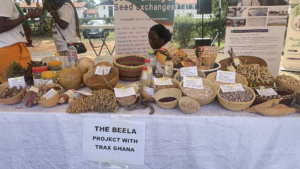
Day 1 combined an exhibition and campus immersion, including guided tours of WACCI’s breeding laboratories, early‑generation seed facilities and seed testing and certification labs, alongside the Horticulture Innovation Hub’s demonstrations of climate‑smart horticulture and agripreneurship. Day 2 focused on the hard truths of why Ghana’s seed system has not delivered at scale, what must change in the national architecture, and how to design crop‑specific delivery models for maize, rice, tomato, cassava and oil palm.

    
Seed systems at the heart of Feed Ghana and the 24‑Hour Economy
Speakers from the Presidency, the Ministry of Food and Agriculture, WACCI and development partners all stressed that seed is the infrastructure on which the Government’s Feed Ghana Programme and the 24‑Hour Economy’s GROW24 sub‑programme depend. Feed Ghana alone will require tens of thousands of tonnes of certified maize, rice, soybean and sorghum seed by 2028, as well as large volumes of quality planting material for cassava, yam and plantain, if Ghana is to reach full self‑sufficiency in rice and achieve ambitious production and jobs targets.

“I𝘧 𝘎𝘩𝘢𝘯𝘢 𝘪𝘴 𝘵𝘰 𝘥𝘰𝘶𝘣𝘭𝘦 𝘺𝘪𝘦𝘭𝘥𝘴 𝘢𝘨𝘢𝘪𝘯 𝘰𝘷𝘦𝘳 𝘵𝘩𝘦 𝘯𝘦𝘹𝘵 20 𝘺𝘦𝘢𝘳𝘴, 𝘮𝘰𝘳𝘦 𝘧𝘢𝘳𝘮𝘦𝘳𝘴 𝘮𝘶𝘴𝘵 𝘶𝘴𝘦 𝘤𝘦𝘳𝘵𝘪𝘧𝘪𝘦𝘥 𝘴𝘦𝘦𝘥 — 𝘢𝘯𝘥 𝘵𝘩𝘦 𝘴𝘦𝘤𝘵𝘰𝘳 𝘮𝘶𝘴𝘵 𝘥𝘦𝘭𝘪𝘷𝘦𝘳 𝘦𝘷𝘦𝘯 𝘣𝘦𝘵𝘵𝘦𝘳 𝘴𝘦𝘦𝘥.” — 𝗧𝗲𝗿𝗿𝗶 𝗦𝗮𝗿𝗰𝗵, Development Director, UK FCDO Ghana

GROW24’s vision to transform the Volta Basin into a regional breadbasket through Agbleduwo agro‑parks and peri‑urban farming clusters demands climate‑smart, high‑yielding, early‑maturing and diverse seed portfolios tailored to Ghana’s different agro‑ecological zones. Without a reliable national seed delivery architecture, participants agreed that planned investments in irrigation, logistics and processing will underperform and Ghana’s broader economic transformation will remain constrained.

The convening framed seed delivery as economic infrastructure that requires clear governance, predictable regulation, coordinated public and private investment, and accountability for performance. Drawing on international models from the Netherlands, Ethiopia, Rwanda and Kenya, participants emphasised the need to move from fragmented pilots and one‑off campaigns to permanent, institutionalised delivery platforms that can serve millions of farmers each season.

By the close of the second day, stakeholders had reached consensus on four core outcomes: a new seed delivery architecture aligned with Feed Ghana and the 24‑Hour Economy, clarified institutional roles across government, research, the private sector and civil society, the design of a “Seed Delivery Spine” for priority crops linking breeding, early‑generation seed, commercial multiplication and markets, and the establishment of a multi‑stakeholder Seed Systems Task Team. The Task Team will be mandated to translate these decisions into a detailed implementation roadmap within 60 days, including commitments on policy reform, financing, anchor demand and regulatory enforcement.

For the Ghana JET programme, supporting this process is part of a broader partnership with Government to build the enabling conditions for diversified, job‑creating growth – where seed systems are recognised and financed as national infrastructure, not just another input.

𝗦𝘁𝗿𝗲𝗻𝗴𝘁𝗵𝗲𝗻𝗶𝗻𝗴 𝗨𝗞-𝗚𝗵𝗮𝗻𝗮 𝗣𝗮𝗿𝘁𝗻𝗲𝗿𝘀𝗵𝗶𝗽 𝘁𝗵𝗿𝗼𝘂𝗴𝗵 𝗜𝗻𝗱𝘂𝘀𝘁𝗿𝗶𝗮𝗹 𝗜𝗻𝗻𝗼𝘃𝗮𝘁𝗶𝗼𝗻

Ghana’s electric vehicle market is surging, with ownership projected to exceed 1 million by 2030. However, a significant barrier remains: batteries account for 60% of vehicle costs, and today, 100% of them are imported.

Through the UK-Ghana Partnership for Jobs and Economic Transformation Programme, we are working together to flip this script.

In August 2025, this partnership reached a new milestone. Three engineers from Wahu Mobility Ltd. traveled to the UK Battery Industrialisation Centre for intensive training. Their mission? To master the technical blueprints required to bring battery production home to Ghana.

𝗧𝗵𝗲 𝗶𝗺𝗽𝗮𝗰𝘁 𝗼𝗳 𝗹𝗼𝗰𝗮𝗹𝗶𝘀𝗲𝗱 𝗽𝗿𝗼𝗱𝘂𝗰𝘁𝗶𝗼𝗻 𝗶𝘀 𝗴𝗮𝗺𝗲-𝗰𝗵𝗮𝗻𝗴𝗶𝗻𝗴:

• 𝟱𝟬% 𝗦𝗮𝘃𝗶𝗻𝗴𝘀: Producing batteries locally can reduce the cost of EVs for Ghanaian consumers by over half.
• 𝗝𝗼𝗯 𝗖𝗿𝗲𝗮𝘁𝗶𝗼𝗻: Building a local supply chain creates high-skilled manufacturing roles in-country.
• 𝗦𝘂𝘀𝘁𝗮𝗶𝗻𝗮𝗯𝗶𝗹𝗶𝘁𝘆: Reducing import reliance accelerates Ghana’s transition to a green, 24-hour economy.

This isn’t just about training; it’s about a shared vision for a cleaner, more affordable, and industrially independent future for Ghana.

🎥 𝗪𝗮𝘁𝗰𝗵 𝘁𝗵𝗲 𝗶𝗺𝗽𝗮𝗰𝘁 𝘃𝗶𝗱𝗲𝗼 𝗳𝗿𝗼𝗺 𝘁𝗵𝗶𝘀 𝗰𝗼𝗹𝗹𝗮𝗯𝗼𝗿𝗮𝘁𝗶𝗼𝗻.

𝗘𝘅𝗽𝗹𝗼𝗿𝗶𝗻𝗴 𝘁𝗵𝗲 𝗙𝘂𝘁𝘂𝗿𝗲 𝗼𝗳 𝗟𝗼𝗰𝗮𝗹 𝗘𝗩 𝗕𝗮𝘁𝘁𝗲𝗿𝘆 𝗣𝗿𝗼𝗱𝘂𝗰𝘁𝗶𝗼𝗻 𝗶𝗻 𝗚𝗵𝗮𝗻𝗮

For the first time, Ghana is moving toward commercial localised production of battery packs for two‑ and three‑wheelers.

This video from the UK Ghana JET collaboration with Wahu Mobility Ltd. focused on 𝘁𝗲𝗰𝗵-𝗸𝗻𝗼𝘄𝗹𝗲𝗱𝗴𝗲 𝘁𝗿𝗮𝗻𝘀𝗳𝗲𝗿 to enable local battery manufacturing.

The UK‑Ghana Partnership for Jobs and Economic Transformation is committed to driving innovation that can reshape the EV landscape. Together, we are developing a roadmap for localised battery pack production.

𝗪𝗵𝘆 𝘁𝗵𝗶𝘀 𝗶𝗻𝗶𝘁𝗶𝗮𝘁𝗶𝘃𝗲 𝗶𝘀 𝘀𝗶𝗴𝗻𝗶𝗳𝗶𝗰𝗮𝗻𝘁:
• 𝗟𝗼𝘄𝗲𝗿 𝗖𝗼𝘀𝘁𝘀: Local battery solutions can reduce EV prices, making them more accessible to the Ghanaian market.
• 𝗧𝗲𝗰𝗵𝗻𝗶𝗰𝗮𝗹 𝗖𝗮𝗽𝗮𝗰𝗶𝘁𝘆: By sharing expertise between the UK and Ghana, we are strengthening the technical foundation for industrial growth.
• 𝗦𝘁𝗿𝗮𝘁𝗲𝗴𝗶𝗰 𝗚𝗿𝗼𝘄𝘁𝗵: This partnership supports Wahu Mobility’s shift from imported components to high-value local assembly.

This initiative highlights how the UK‑Ghana Partnership is helping Wahu innovate, test, and lead the conversation on sustainable transport in West Africa

🎥 𝗪𝗮𝘁𝗰𝗵 𝘁𝗵𝗲 𝗳𝘂𝗹𝗹 𝘀𝘁𝗼𝗿𝘆 𝗵𝗲𝗿𝗲:

INCLUSIVE CLEAN ENERGY FOR ALL: PATHWAYS TO ACCELERATE TRANSPORT SECTOR DECARBONISATION AMID A BURGEONING AUTOMOTIVE INDUSTRY

Today marks the International Day of Clean Energy. The U.K. – Ghana Jobs and Economic Transformation (JET) programme joins the global community to spotlight the vast potential Ghana holds to chart a cleaner energy future – one that boosts industrial competitiveness, safeguards the environment, creates high-quality jobs, and strengthens the country’s ambition as a leading automotive hub in West Africa, in line with Sustainable Development Goal (SDG) 7.  

Clean Energy Day, established by the United Nations and observed annually on 26 January, calls for climate action in the fight against climate change, increased universal access to affordable and sustainable energy to stimulate economic opportunities and support achieving SDG7.  

“Ghana’s automotive sector has the potential to be a powerful driver of clean energy transition, industrial growth and job creation. This is a part of our partnership approach with Ghana on mutual economic growth, through policies and investments that accelerate cleaner transport, strengthen local manufacturing, and deliver economic opportunities that are inclusive and sustainable.” Terri Sarch – Development Director at the British High Commission, Accra (UK Foreign, Commonwealth and Development Office – FCDO). 

The Automotive Sector – a catalyst for clean energy and growth 

“Every US$1 invested in renewables creates 3x more jobs than in the fossil fuel industry.” – The UN

For Ghana, progress in clean energy is not only central to achieving its unconditional 15% reduction in greenhouse gas emissions (GHG) by 2030 as enshrined in Ghana’s Nationally Determined Contribution (NDC) under the Paris Agreement, but also a massive economic and social opportunity for its citizens. Transportation is a leading source of GHG in Ghana, contributing to nearly half all energy-related emissions and increasing by nearly 15% from 2015 to 2023. Of the three major drivers behind this rise – reliance on fossil fuels, ageing vehicle population, and rapid urbanisation – two are directly linked to the automotive sector. In addition, air pollution has been found to be the second leading cause of deaths in Ghana, after HIV/ TB/ Malaria. The economic cost to the nation is estimated at some $3 billion per annum, representing circa 4% of GDP. The Intergovernmental Panel on Climate Change (IPCC) warns that greenhouse gas emissions must fall by 50–80% by 2050 to avert catastrophic warming. It is therefore imperative to reflect on how the automotive sector can become Ghana’s most powerful catalysts for climate action and economic growth.  

The Baseline and Current State of Play 

“Fossil fuels are the single biggest contributor to the climate crisis.” – Sustainability Magazine

According to estimates, there are 3.2 million vehicles in operation in Ghana, with an average age of 14 years. Annual vehicle imports stand at about 100,000 units per year, out of which 80% are used – often older than 10 years, inefficient, and high polluting. Uptake of Electric Vehicles (EV) are on the ascendency with a spiralling Electric 2/3-wheeler base, enhancing the 24-hour economy ambition. 

Ghana’s shift to a modern, lowemission vehicle fleet is progressing slowly and could take decades. To accelerate progress, promote jobs, and attract investment, the Ministry of Trade, Agribusiness and Industry – with support from the UKGhana JET Programme – completed a 2025 midterm review of the Ghana Automotive Development Policy. The programme which unlocked $98 million in investment from global car makers like Volkswagen, Toyota, KIA, Nissan, Hyundai etc., (some in partnership with domestic firms including Kantanka) facilitated the establishment of seven state-of-the-art assembly facilities with a combined installed capacity of 140,000 units per year. Although, annual domestic demand can be achieved with potential exports to regional markets, actual demand for new vehicles remains far below this capacity, limiting the sector’s impact.  

Unlocking Demand Through Finance 

Affordability remains a key driver of demand for locally assembled new vehicles, including electric vehicles (EVs). However, it is very limited due to absence of a structured asset-backed scheme. The predominance of cash-based vehicle purchases significantly constrains access to clean mobility solutions, particularly for the underserved and lowincome populations. 

Considerations that could Strengthen Ghana’s Transition to a Decarbonised Transport Sector 

  1. Activate Clean Energy provisions in the GADP: To help stimulate strategic investments, competitive local manufacturing, and the gradual transition into components manufacturing, there is an opportunity to fasttrack approval of the revised GADP. Doing so would enable Electric Vehicle and 2/3wheeler manufacturers to participate more fully in the programme and unlock its associated benefits. 
  1. Support implementation of vehicle financing schemes: There is scope to expand access to locally assembled new vehicles – including electric models and 2/3wheelers – particularly among underserved market segments. This can be supported by working with participating financial institutions to establish assetbased vehicle financing mechanisms that make these products more affordable and accessible.  
  1. Boost confidence and demand for locally-assembled vehicles: As the largest purchaser of vehicles nationally, prioritising the procurement of locally assembled vehicles can play a catalytic role in strengthening demand. Close collaboration with assemblers and distributors would help signal confidence to the market and reinforce Ghana’s industrialisation efforts 

The opportunity is within reach: cleaner air, healthy national car parc, safer roads, thousands of skilled jobs, and a more competitive manufacturing base. Lower emissions mean real savings for the economy, stronger public health, and a reputation for worldclass, clean manufacturing. On this International Day of Clean Energy, the message is simple and urgent: let us work together to accelerate the solutions that are already proving effective – so Ghana can lead. 

Happy International Clean Energy Day.   

GIP backs Springs and Bolts Company to expand automotive manufacturing

Growth Investment Partners (GIP) Ghana Ltd, an investment platform established by British International Investment (BII), has announced a strategic investment in Springs and Bolts Company Limited (SBCL), a Kumasi-based manufacturer of automotive aftermarket components. The investment will finance the acquisition of a fully automated leaf spring production line, enabling SBCL to expand production capacity from 4 to 12 metric tonnes per day while also enhancing growth efficiency. The expansion is expected to boost local capacity, reduce reliance on imports, and position Ghana as a competitive supplier of automotive components within the West African region. With regional demand for springs, bolts, and related products estimated at US$600 million annually, most of which is currently served by imports from Asia and South Africa, the investment will help strengthen Ghana’s industrial supply chains.

Jacob Kholi, Chief Executive and Investment Officer of GIP Ghana said: “There is a clear market gap for locally manufactured components that meet international standards. By backing SBCL’s expansion, we are not only scaling a competitive business but also contributing to Ghana’s broader industrialisation agenda.”

Founded in 2013, as a Free Zone Company, SBCL exports more than 70 percent of its production to ECOWAS countries such as Nigeria, Ivory Coast, Mali, and Burkina Faso, while maintaining a strong domestic presence.

Derrick Asamoah Boahen, Chief Executive Officer of SBCL, welcomed the partnership “Our goal is to position SBCL as the preferred source of high-quality automotive components in West Africa. We are proud to partner with GIP in this next phase of our growth. With increased capacity and automation, we can better serve the automotive, logistics, mining, and agriculture sectors while providing more affordable and quality alternatives to imported products”.

SBCL’s growth has been supported through partnerships with Supreme Springs of South Africa for technical expertise, GIZ for market access to logistics and mining companies, and the UK Foreign, Commonwealth and Development Office’s (FCDO) Jobs and Economic Transformation (JET) Programme for market research and expanding capacities into novel production of fasteners.

The company currently employs 28 people and is poised to expand its workforce significantly. With duty-free access under the ECOWAS Trade Liberalisation Scheme, SBCL is well-positioned to improve competitiveness across the sub-region while exploring vertical integration opportunities such as securing raw material supply chains and expanding downstream services.

“Reducing dependence on imports is not just about production capacity, it’s about building an ecosystem that supports critical supply chains across mining, agriculture, and logistics,” Boahen added.

Kwabena Asante Poku, Country Director for Ghana, British International Investment, said: “Through Growth Investment Partners Ghana, British International Investment is backing SMEs that can transform Ghana’s industrial base. Supporting SBCL’s expansion will not only reduce reliance on imports but also strengthen critical supply chains across mining, agriculture, and logistics.”

The GIP-SBCL partnership aligns with Ghana’s industrial policy goals by expanding manufacturing capacity, creating jobs, and strengthening regional supply chains.

From Vision to Action: Plans for Ghana’s First Bio-Injectables Facility Take Shape

Ghana is taking a bold step toward pharmaceutical self-reliance. At a recent learning event, stakeholders in the pharmaceutical ecosystem gathered to explore the results of a feasibility study on building Ghana’s first bio-injectables manufacturing facility, a landmark project aimed at reducing dependence on imported medicines, strengthening local health systems, and creating high-quality jobs for Ghanaians.

Organised by the UK-funded Ghana Jobs and Economic Transformation (JET) programme and Quintex Pharma, the webinar brought together policymakers, industry leaders, and experts to discuss how Ghana can align policy, industry, and national interests to enrich discussions that could transform the country into a hub for advanced pharmaceutical production in West Africa. The webinar also provided an opportunity for participants to learn from best practices emerging from the initiative.

The proposed $60 million state-of-the-art plant is a joint venture between Ghana’s Quintex Pharma and South Korea’s GL Rapha. Currently, Ghana imports over 70% of its medicines, costing the country more than $300 million each year. The COVID-19 pandemic exposed the risks of relying on imports, especially during global supply chain disruptions. “Our goal is to build a facility that reduces Ghana’s dependence on imported medicines and strengthens our national health security,” said Dr. Kwesi Amissah-Arthur, CEO of Quintex Pharma.

The Ghana JET programme played a catalytic role in fostering a strategic partnership between Quintex Pharma and GL Rapha, paving the way for Ghana’s first bio-injectables manufacturing facility. Through UK-backed support, JET facilitated a feasibility study that assessed the plant’s financial viability, regulatory landscape, market demand, and environmental and social impacts. This partnership model reflects a broader commitment to building sustainable pharmaceutical capacity in Ghana. With the Ghana Food and Drugs Authority (FDA) now among the first two Sub Saharan African regulators to achieve WHO Maturity Level 3, the country is well-positioned to access larger regional markets and attract further investment.

Panelists at the event discussed challenges such as high business costs, access to financing, and the need for government incentives. They also highlighted the importance of research, skills development, and maintaining high manufacturing standards to ensure Ghana’s competitiveness.

Panelists stressed the need for competitive pricing, government support, and financing solutions to overcome high production costs and borrowing rates. They also underscored the importance of technology transfer, skills development, and maintaining strict Good Manufacturing Practices (GMP) to make Ghana a trusted pharmaceutical hub. 

“While the cost of doing business in Ghana presents challenges, it also highlights the urgency and opportunity to strengthen local competitiveness. By addressing key barriers, unlocking government incentives, and close financing gaps created by high interest rates, we can empower companies to thrive and reduce reliance on imports” noted Mr. Theophilus Arthur-Mensah – Senior Manager for Policy and Research, Association of Ghana Industries

The pharmaceutical sector is a government priority, especially post-COVID-19 which revealed supply chain vulnerabilities. “Guided by a Ghana Pharmaceutical Manufacturing Development Policy, we are committed to creating an enabling environment, ensuring market access, and driving incentives for R&D and technology transfer,” explained Mr. Kwasi Ofori-Antwi – Head of Strategic Anchor Industries, Ministry of Trade, Agribusiness, and Industry.

The Q&A session added depth to the webinar, with participants keen to understand how the initiative would support knowledge sharing, skills development, and technology transfer to boost local employment. A key takeaway was the emphasis on maintaining high manufacturing standards. 

“Good Manufacturing Practices (GMP) should be a core requirement for all pharmaceutical manufacturers, and a clear criterion for government procurement,” urged Reverend Jonathan Martey, Pharmaceutical Quality Assurance and Regulatory Affairs Consultant. “When companies commit to quality, they should be rewarded. If Ghana aims to lead in the regional pharmaceutical sector, we must consistently uphold a culture of quality. The long-term benefits are enormous.”

For Quintex Pharma, the long-term vision includes selling in Ghana, expanding to other West African countries, and eventually becoming export-focused. As CEO Dr. Kwesi Amissah-Arthur put it, “early and strong partnerships, competitive pricing, and maintaining world-class standards will make this work, because he who dares, wins.”

This initiative is more than a manufacturing project—it’s a bold move toward health security, economic growth, and regional leadership in pharmaceutical production.