


IMPACT
Driving sustainable jobs and economic transformation
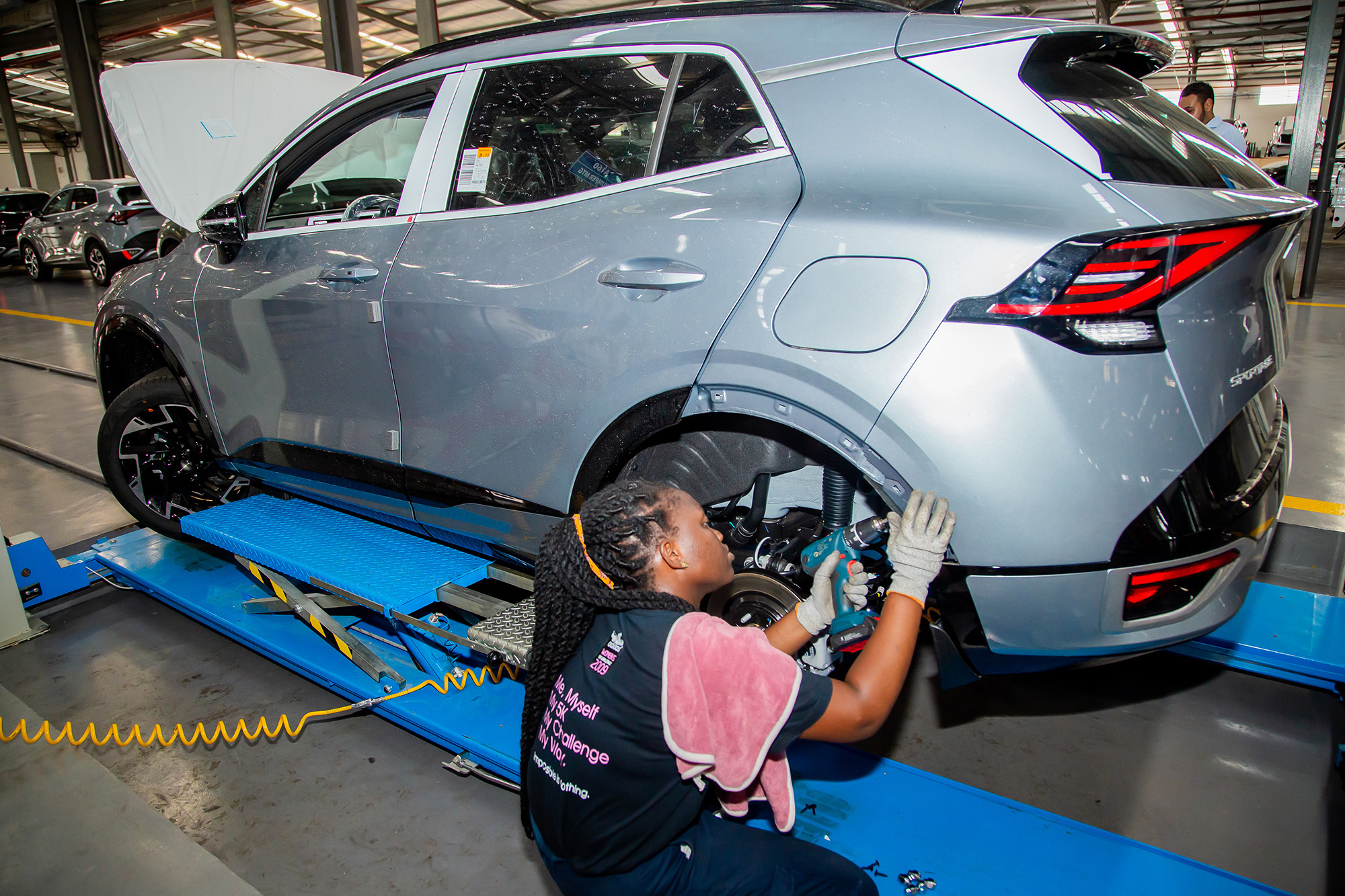
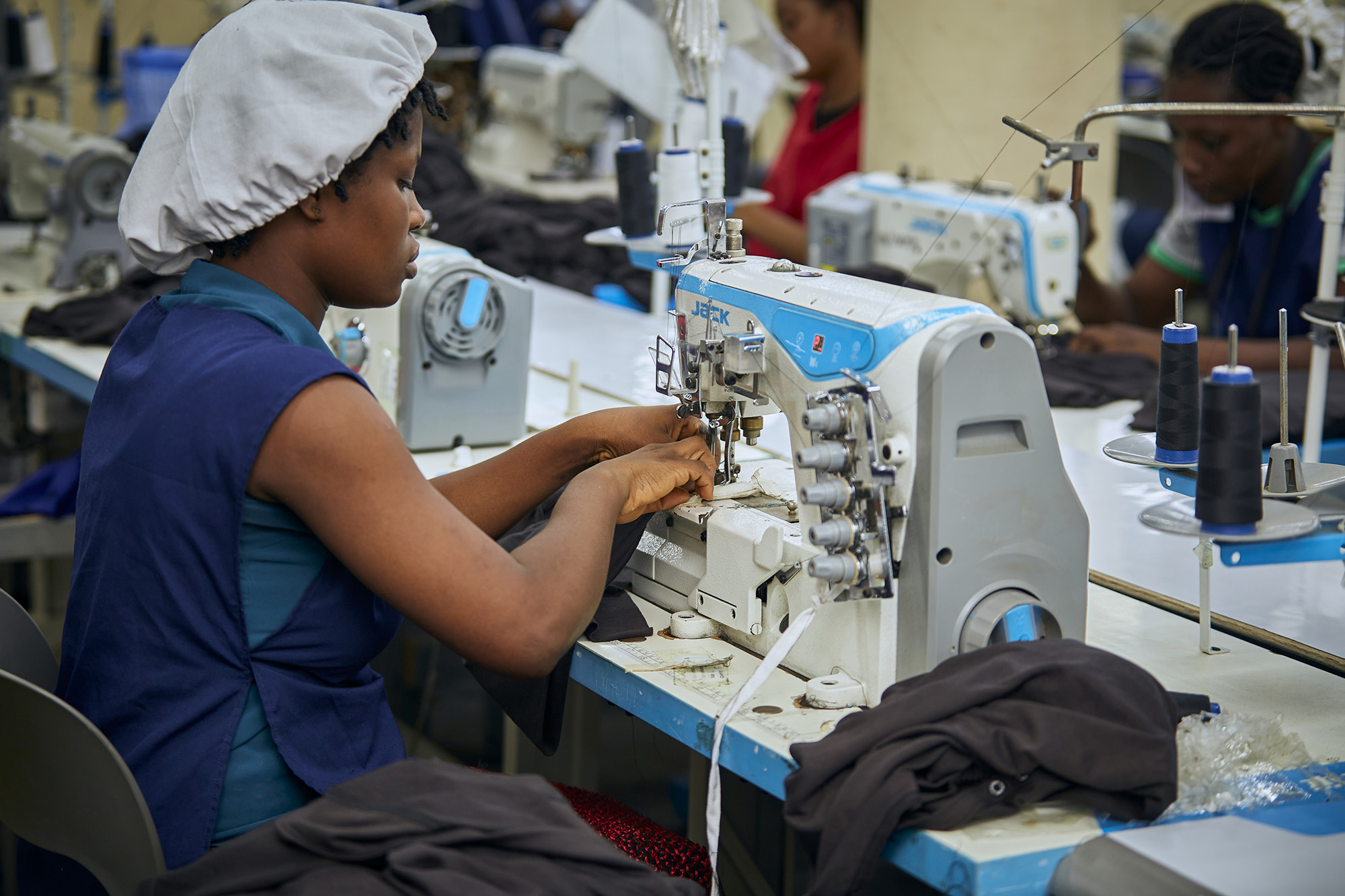
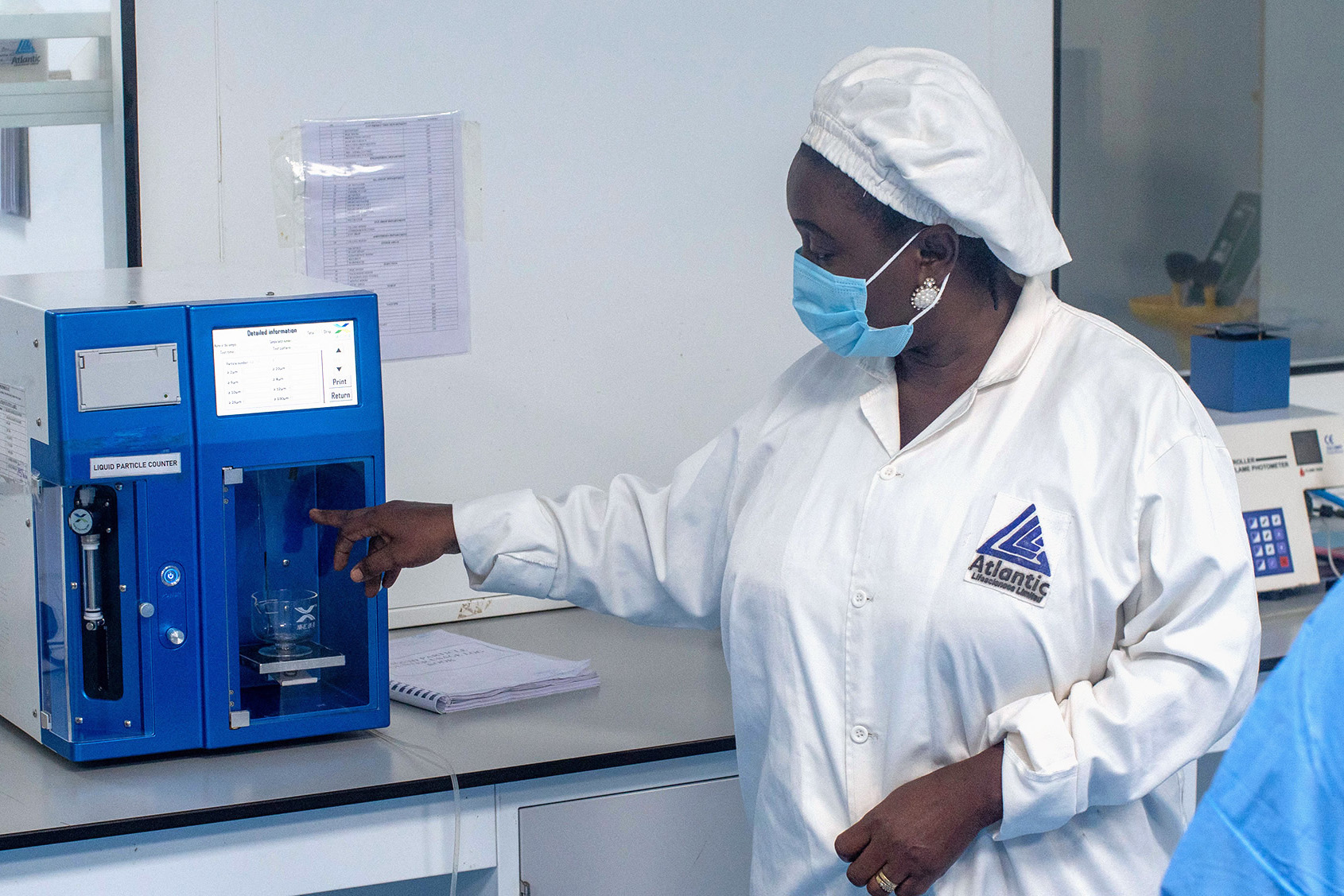
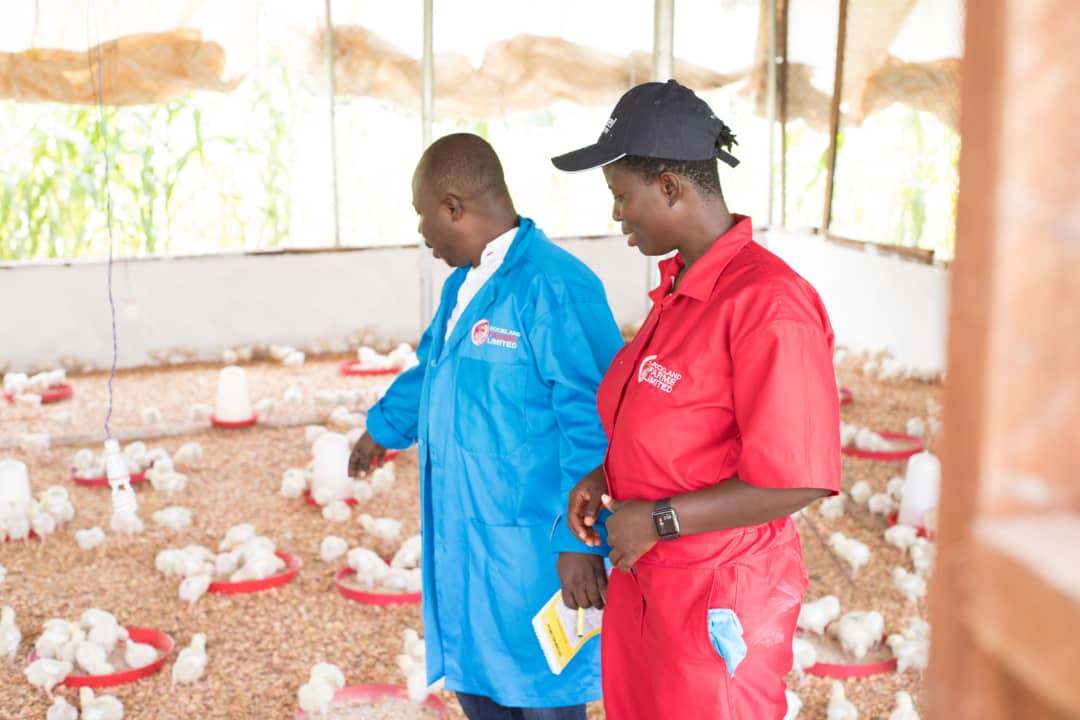
The UK-Ghana Partnership for Jobs and Economic Transformation (JET) Programme is catalysing a more diversified economy—mobilising private investment, strengthening local firms, and creating sustainable jobs in strategic manufacturing sectors.
JET supports the Government of Ghana’s industrialisation agenda by providing technical assistance and funding to support ecosystem development, an enabling policy environment and foreign direct investment in four principal sectors.
hear from our partners
impact by the numbers
Partners
16
Domestic Firms Supported
6
UK-Ghana Partnerships
400
Investors Engaged
Investments
£628M
Deal pipeline
£265M
Commercial Stage Deals
£117M
Investments Facilitated
Policy & Jobs
10
Policies Supported
4
policies approved
8.8K
Jobs created
EXPLORE OUR RESOURCES
Sterile Injectables Manufacturing Plant: Feasibility Study
This feasibility study examines the build and operation of a state-of-the-art sterile biopharmaceutical injectable manufacturing plant in Akuse, Ghana. Commissioned by Quintex and developed by a consulting consortium consisting of AMPC International Health Consultants, IQVIA, and PwC Ghana, the proposed facility aims to address local medicine shortages and reduce the country's heavy 70% reliance on imported pharmaceuticals. The plant is designed to focus on Small Volume Parenterals (SVPs), specifically producing generic and branded liquid medications in vials and prefilled syringes while strictly adhering to global Good Manufacturing Practices (GMP) and environmental standards.
Assessing Impact of Manufacturing Jobs
The document looks at the Ghana JET (Jobs and Economic Transformation) programme and its impact on Ghana's manufacturing sector. It analyzes global labor market trends, such as technological changes, economic uncertainty, and the green transition, alongside Ghana's specific market dynamics. The presentation highlights a deep dive into approximately 9,000 jobs supported by JET across priority sectors including automotive (49%), pharmaceuticals (19%), and textiles & garments (32%), evaluating the depth of impact on worker productivity, technology adoption, and overall well-being.
